Journal
Cold Plunge Therapy: The Science of 50°F
By BMS Wellness· May 19, 2026
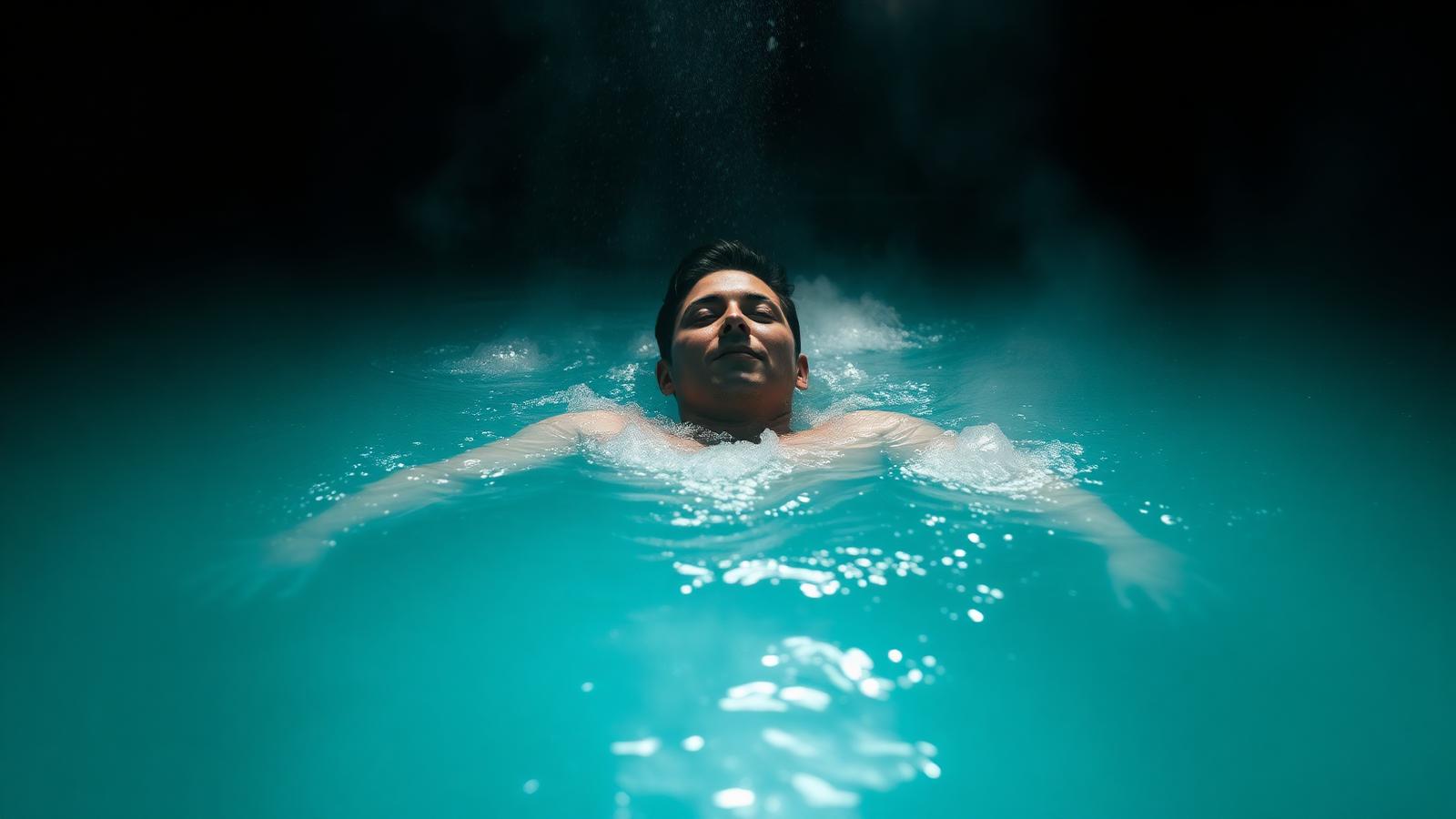
The complete science behind cold plunge therapy — dopamine, norepinephrine, inflammation, and how 3 minutes at 50°F transforms your brain and body.
The complete science behind cold plunge therapy — dopamine, norepinephrine, inflammation, and how 3 minutes at 50°F transforms your brain and body.
Dopamine surges 250%. Norepinephrine rises 300%. Inflammation drops. Here is the complete science behind what happens when your body hits 50°F — and why Silicon Valley's high performers are making it a daily ritual.
Most people associate cold water with discomfort and little else. But a growing body of peer-reviewed research tells a very different story — one where 3 minutes at 50°F triggers one of the most powerful neurochemical cascades the human body is capable of producing.
The moment your body enters cold water, your nervous system interprets it as a controlled threat. The response is immediate and cascading: norepinephrine — the brain's primary alertness and focus chemical — surges up to 300% above baseline within seconds. Heart rate spikes, blood vessels constrict, and your entire system activates at once.
What follows is the neurochemical event that cold plunge advocates have known about for years and that science is now confirming at scale: dopamine — the motivation, reward, and drive molecule — rises up to 250% and, crucially, stays elevated for hours after you step out. Not minutes. Hours.
"Cold exposure increases dopamine by up to 250% — sustained for hours. It is one of the most powerful and long-lasting natural dopamine responses known to science."— Dr. Andrew Huberman, Huberman Lab · Stanford University
This is why people who cold plunge regularly report feeling sharper, more motivated, and more energized throughout the day. It is not placebo. It is biochemistry.
The neurochemical response is only the beginning. Cold immersion triggers a cascade of physiological adaptations that affect inflammation, immune function, cardiovascular health, and metabolic efficiency.
Norepinephrine spikes. Heart rate elevates. Blood vessels constrict, pushing blood toward vital organs. The cold shock proteins — HSP70 and others — begin activating. Your body is interpreting this as a hormetic stressor: a controlled challenge that forces adaptation.
As you stay in the cold, your nervous system shifts from the sympathetic "fight or flight" response toward a more controlled state. Brown adipose tissue activates, generating heat and dramatically increasing metabolic rate. Anti-inflammatory cytokines begin to rise as pro-inflammatory ones drop.
Dopamine remains elevated for 2–4 hours post-plunge. Inflammation markers drop measurably. Muscle soreness from training reduces significantly. Mental clarity peaks. Many users report the most productive hours of their day in the window immediately following a cold plunge session.
Cold water immersion has been studied extensively in athletic recovery, mental health, metabolic health, and immune function. The evidence across all four domains is consistent and compelling.
Cold immersion significantly reduces pro-inflammatory cytokines — the markers linked to chronic pain, joint inflammation, cardiovascular disease, and accelerated aging.
Used by elite athletes worldwide to reduce delayed onset muscle soreness (DOMS) by up to 20% and accelerate return to training readiness after high-intensity sessions.
Regular cold exposure has been linked to significant reductions in anxiety and depression scores, and — crucially — builds psychological resilience by teaching the nervous system to regulate under stress.
Repeated cold exposure activates heat shock proteins and cold shock proteins that strengthen immune surveillance, reduce oxidative stress, and may slow cellular aging processes.
Cold plunge is simple, but timing and technique matter. Here is how to maximize the benefit of every session — whether you're a first-timer or a daily practitioner.
Safety Note: Cold plunge is contraindicated for individuals with cardiovascular conditions, Raynaud's disease, or certain heart arrhythmias. Always consult your physician before beginning cold water immersion therapy. At BMS, our team monitors all sessions to ensure your safety.
Our clinical-grade cold plunge is maintained at exactly 50°F — the temperature the research consistently points to. No membership required to try it.